Water Runoff and Drains: Planning a Responsible Outdoor Clean
@emilioogkq930
November 25, 2026 · 3 min read
Cleaning a driveway, courtyard or outdoor entertaining area can send more than dirt downhill. Wash water may carry detergent, oil, sediment, paint flakes and organic matter into nearby drains. In Sydney’s Sutherland Shire, responsible outdoor cleaning starts with identifying where that water will go and planning how to contain it.
Understand Where Your Drains Lead
Stormwater drains are not sewer drains. Street gutters, grated driveway pits and many outdoor drains carry runoff towards local waterways, generally without sewage treatment. Pollution entering these systems can affect creeks, Port Hacking, the Georges River and coastal environments.
Before cleaning, inspect the work area for drainage grates, downpipe connections, slopes and low points. Do not assume an outdoor grate connects to the sewer. If the connection is unclear, check property drainage plans or ask a licensed plumber.

Prepare the Site Before Turning on the Water
- Check the weather: Choose a dry period. Rain can overwhelm temporary containment and carry loosened material off the property.
- Remove loose material: Sweep or vacuum leaves, soil and grit, then collect them for appropriate disposal rather than washing them into a gutter.
- Identify contamination: Look for oil, chemicals, flaking coatings or suspect building materials before selecting a cleaning method.
- Plan containment: Use suitable temporary bunds, drain covers and a wet vacuum or recovery system to capture wash water. Maintain safe access and avoid creating flooding hazards.
- Confirm disposal: Establish an acceptable destination for recovered water before work begins.
Choose Cleaning Methods That Reduce Runoff
Start with the least water-intensive method that achieves the result. Spot treatment, brushing and controlled rinsing may be sufficient. When pressure cleaning is necessary, use an appropriate nozzle and the lowest effective pressure to avoid damaging joints, coatings and nearby surfaces.
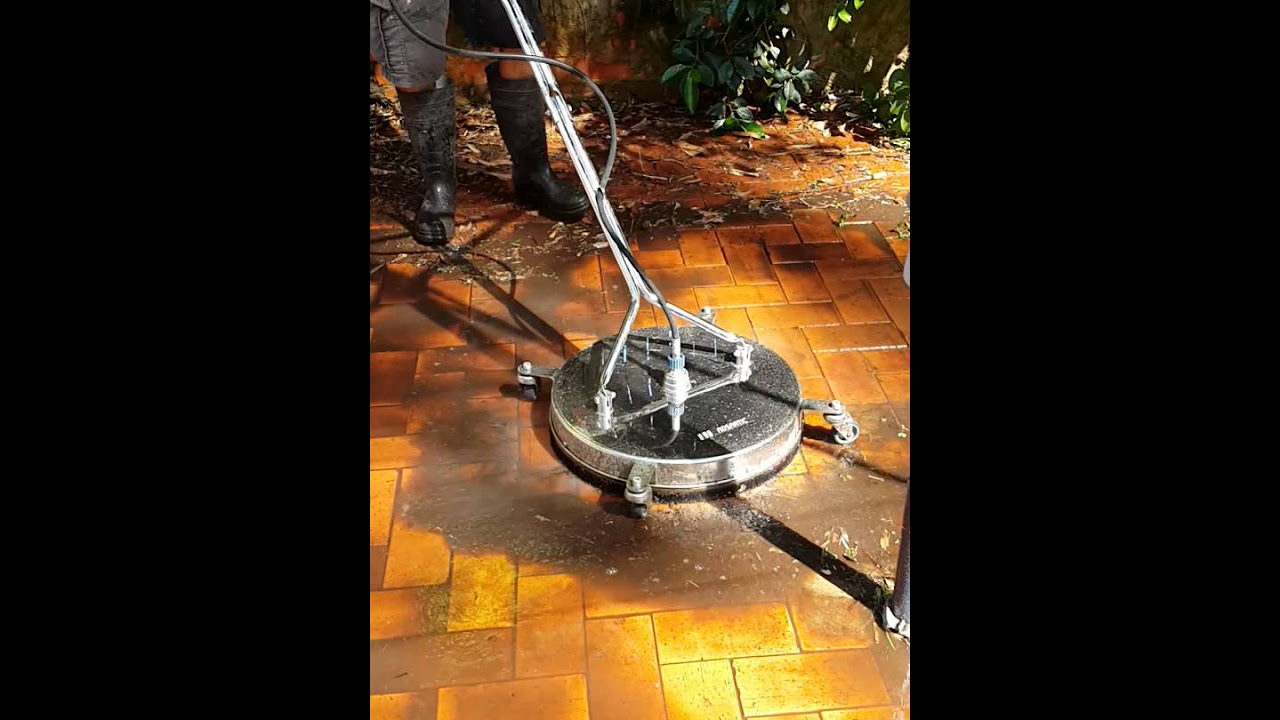
A surface cleaner can reduce overspray, but it does not necessarily recover wastewater. For sloping driveways or areas close to street gutters, ask whether the equipment includes vacuum recovery.
“Biodegradable” does not mean safe for stormwater. Detergents can still harm aquatic environments, and detergent-free wash water may contain harmful contaminants. Follow product labels, avoid unnecessary chemical use and capture contaminated runoff.
Dispose of Captured Water Correctly
Do not discharge contaminated wash water into stormwater drains, street gutters or waterways. NSW pollution laws, including the Protection of the Environment Operations Act 1997, prohibit water pollution, and penalties can apply.
Do not assume sewer disposal is permitted either. Depending on the wastewater and activity, Sydney Water’s trade wastewater requirements may apply. Confirm the appropriate disposal route with Sydney Water, Sutherland Shire Council or a https://brooksoyqh625.pinehavenscope.com/posts/why-hiring-uninsured-pressure-cleaners-is-a-major-risk licensed waste contractor. Never use a sewer access point without the necessary permission.
Directing wastewater onto a garden is not an automatic solution. Chemicals, oils, salts and excessive water can damage soil and plants or escape onto neighbouring land. Any proposed on-site disposal needs to account for contaminants, soil capacity and applicable requirements.
Know When to Get Specialist Help
Older exterior surfaces may contain hazardous materials. Do not pressure clean asbestos-containing materials. Stop work if you identify suspected asbestos, significant oil contamination or deteriorating coatings that need specialist assessment.

When booking outdoor cleaning in the Sutherland Shire, ask the contractor how they identify drains, contain runoff, recover wastewater and arrange disposal. A responsible cleaning plan protects your property while reducing pollution risks for neighbours and local waterways.
Sutherland Shire Pressure Cleaning Pros
Unit 4/78 Bellingara Rd, Miranda NSW 2228
(02) 9541 8700